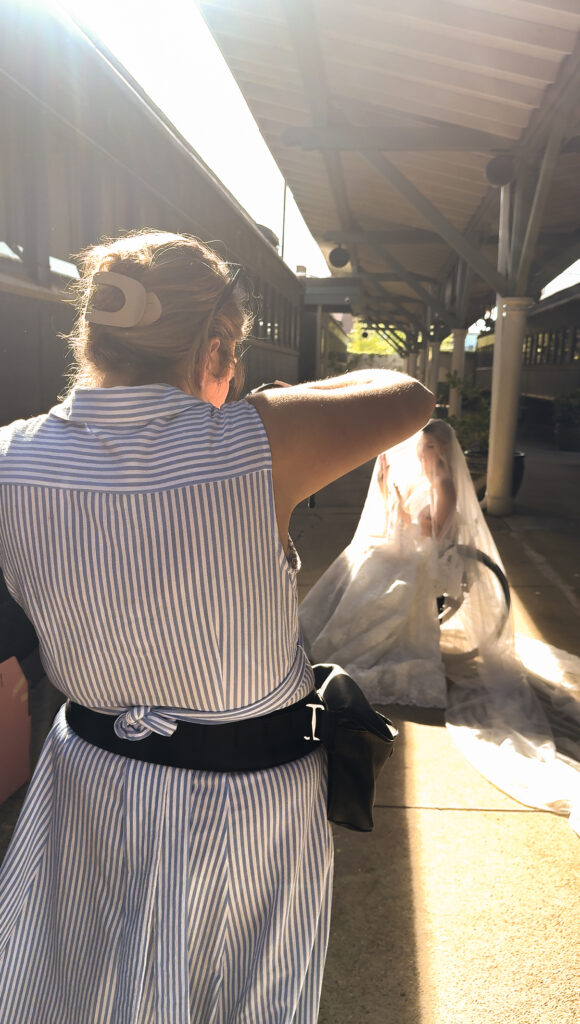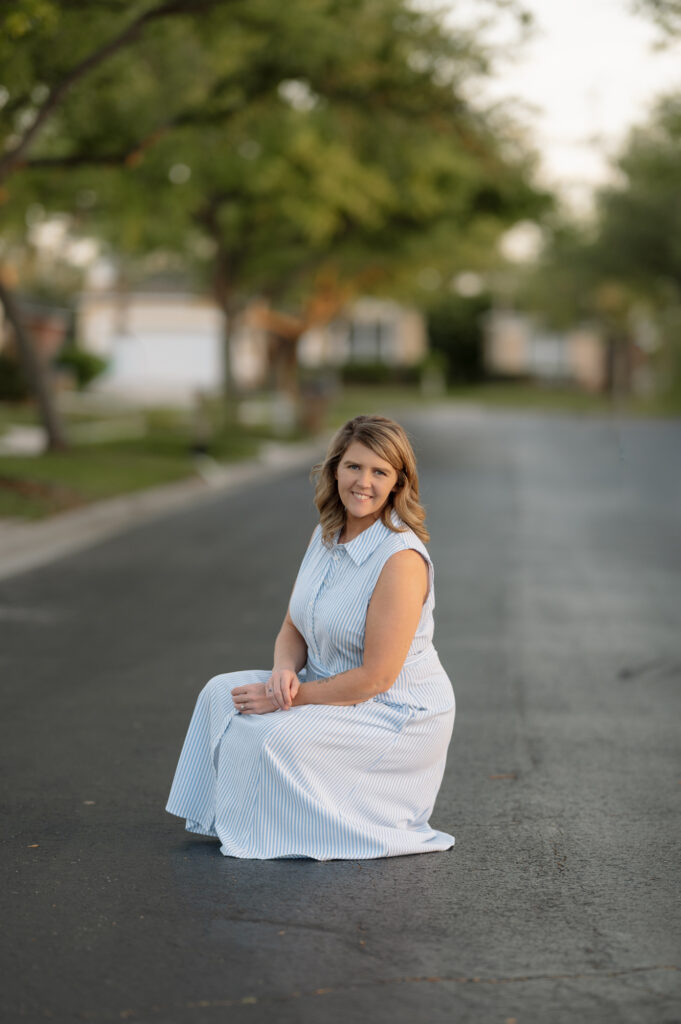
There is a version of wedding photography that looks very clean from the outside. The couple stands just so. The light falls perfectly. Every frame mirrors the last. And while there is nothing wrong with beautiful, considered imagery, I’ve come to believe that the most powerful photographs are rarely the ones that followed the plan exactly. They are the ones that happened when I let go of the plan altogether.
Not long ago, I had an experience during a styled wedding shoot that changed something in how I see this work. And I want to share it, because I think it carries something important for every couple who has ever wondered whether wedding photography is really built for them.
A Moment of Honest Uncertainty
I’ll be direct about this: going into the shoot, I felt unsure of myself.
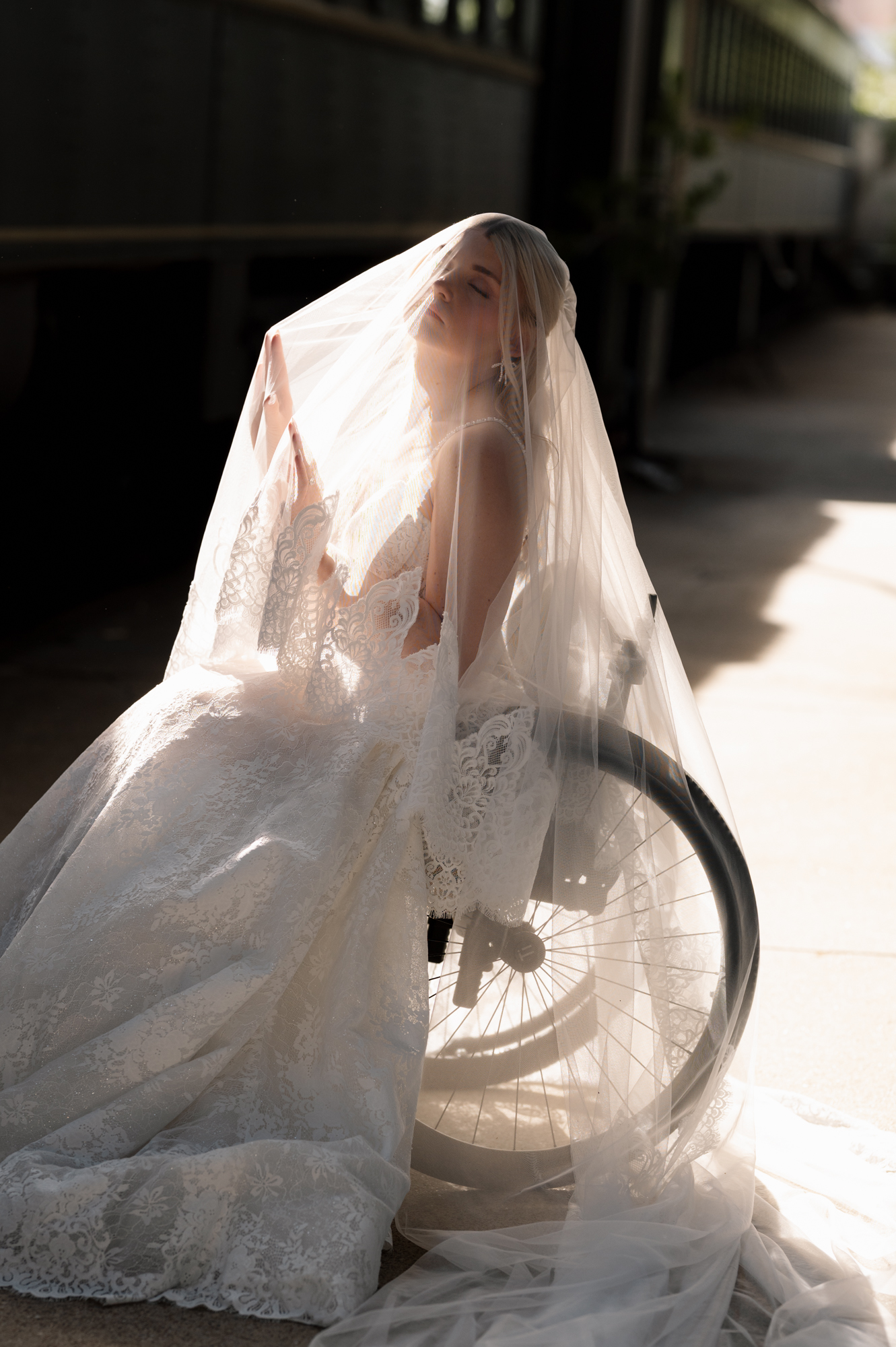
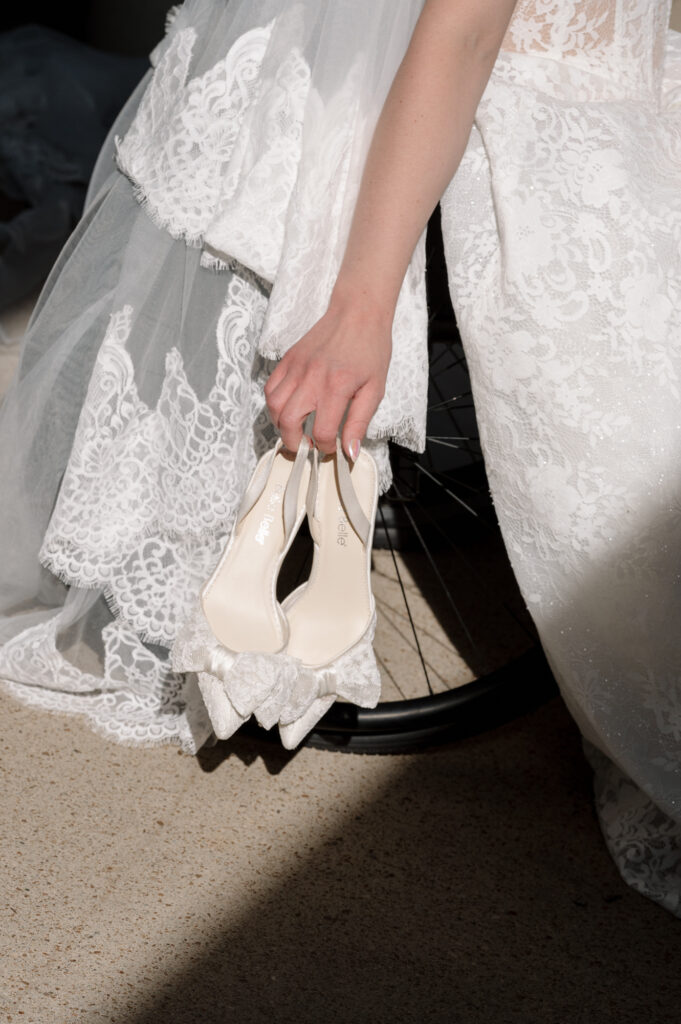
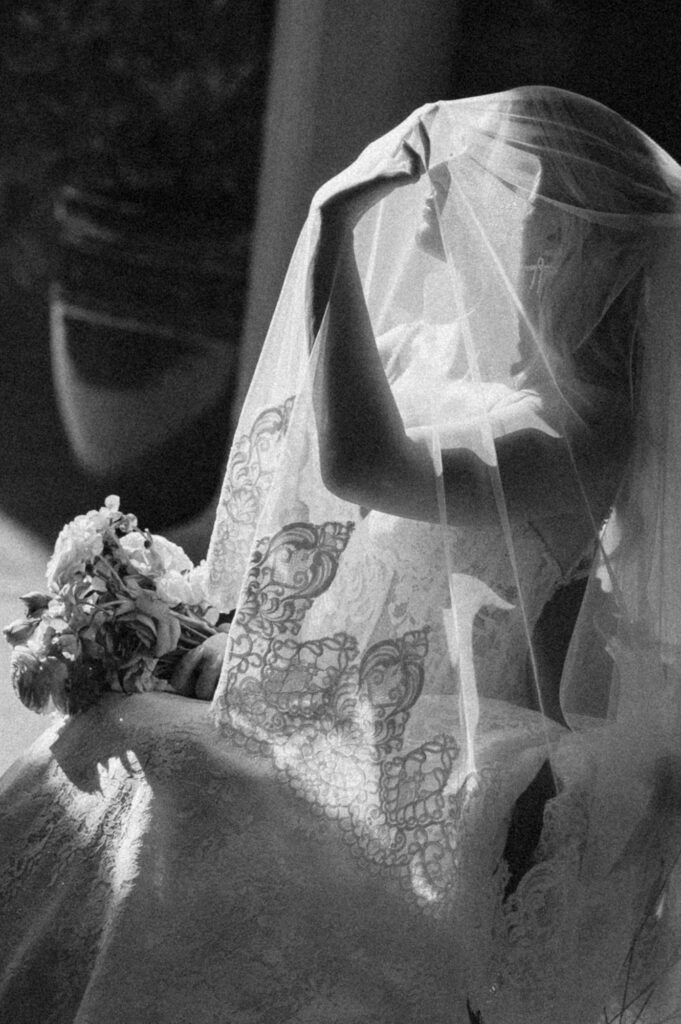
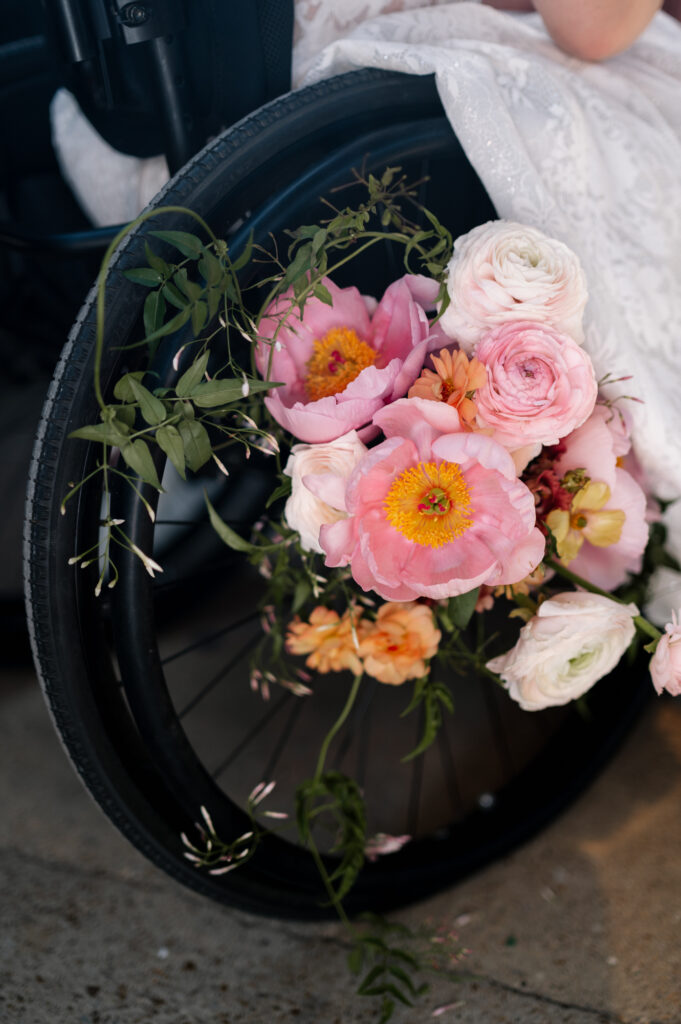
I was photographing a bride who was a wheelchair user, and while I had no doubt the images would be beautiful, I was stepping into unfamiliar creative territory. I didn’t want to approach the session with assumptions. I didn’t want anything to feel forced, awkward, or like I was simply trying to map her experience onto a framework that wasn’t designed with her in mind.
That uncertainty didn’t last long – but I think it’s worth naming, because I believe honesty builds more trust than a polished version of a story.
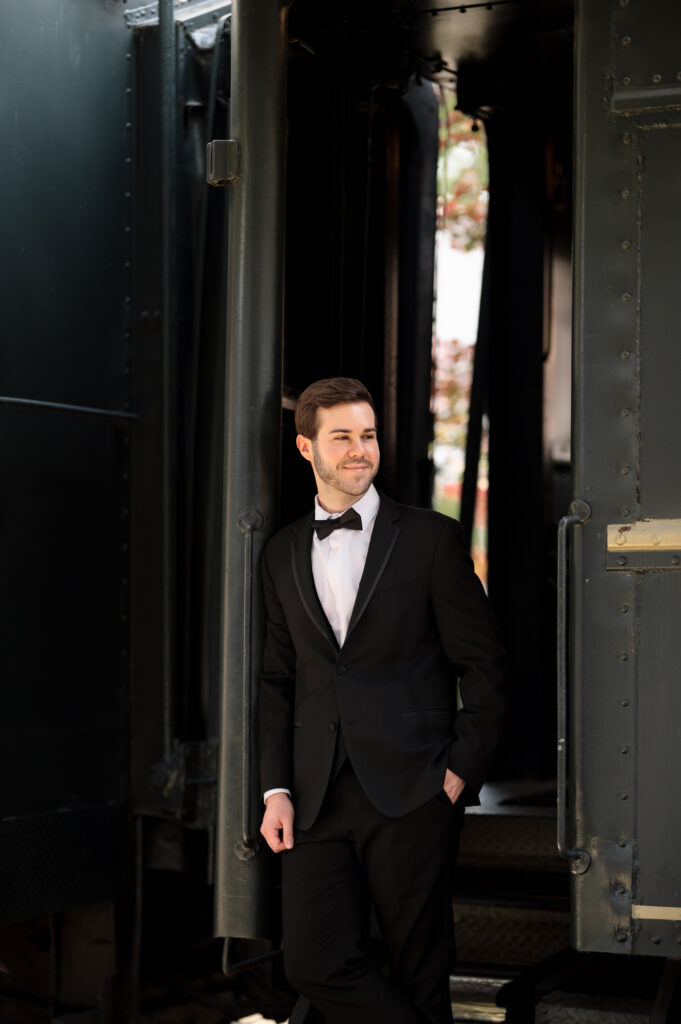
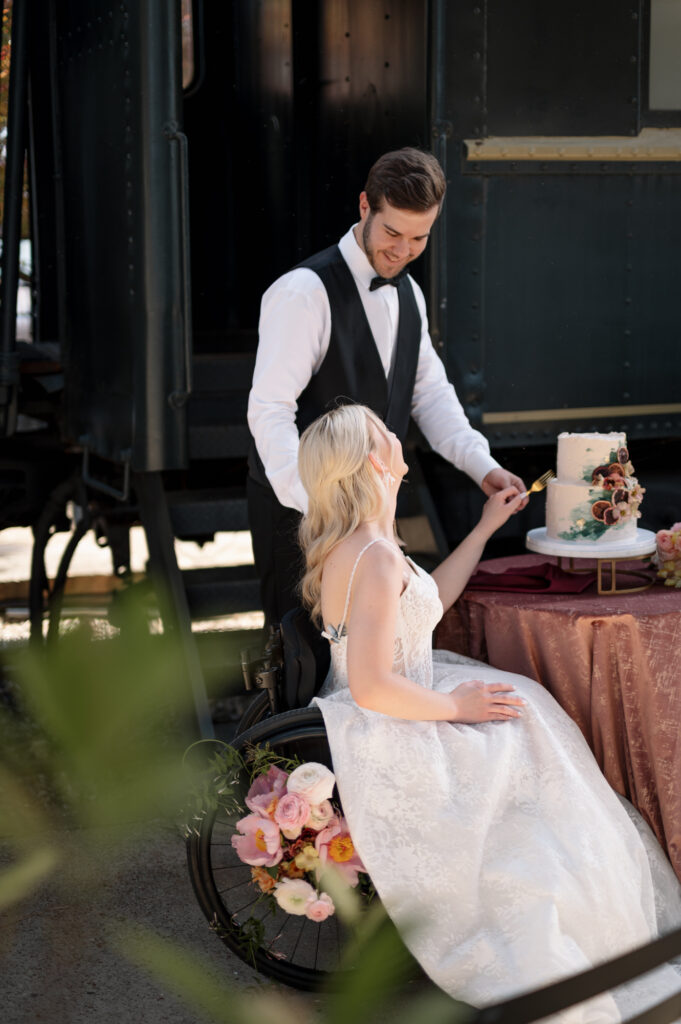
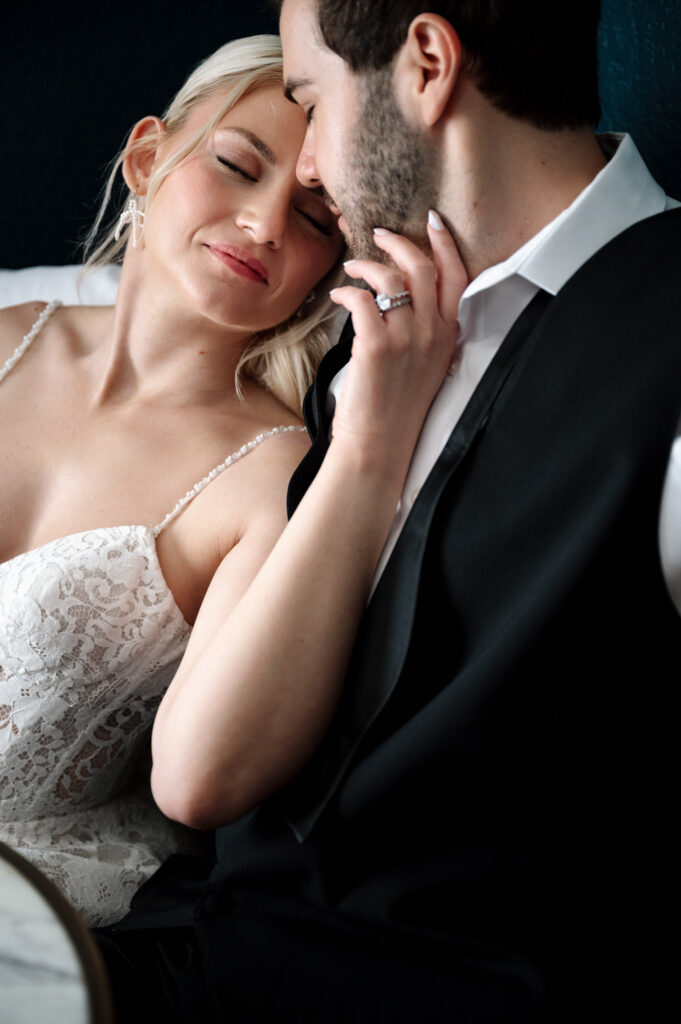
What happened almost immediately was this: I stopped trying to lead with a pose and started leading with observation. I watched how she held herself. I noticed how she moved with her partner. I paid attention to what already existed between them, naturally, without any direction from me.
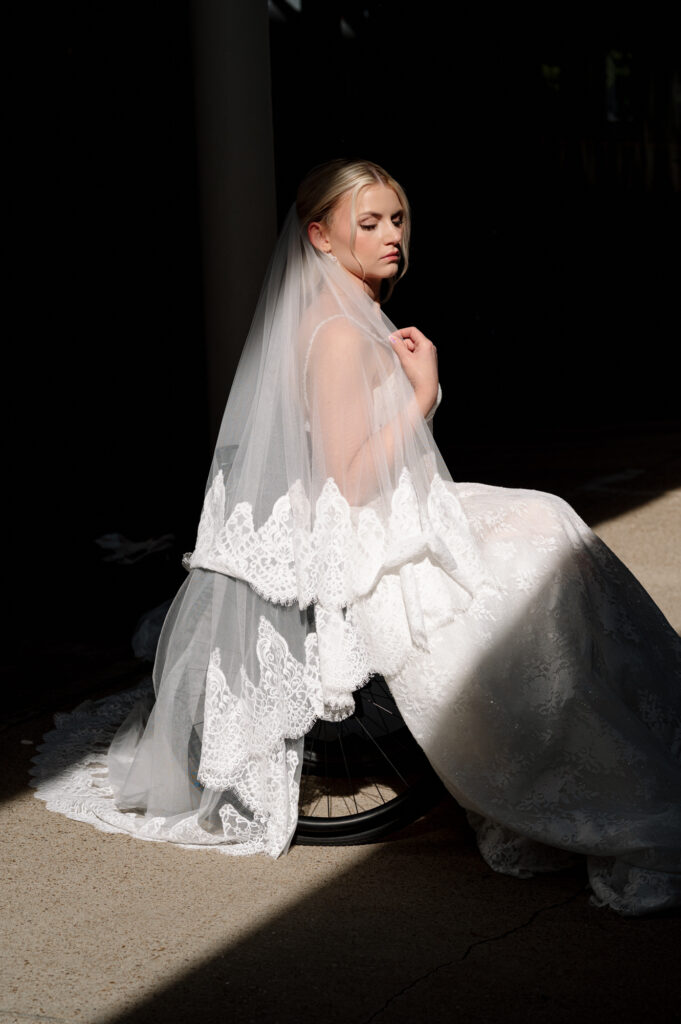
And the images that came from that shift? Some of the most editorial, elevated work I have created.
What This Experience Taught Me About My Own Work
The experience didn’t just push me creatively. It clarified something I had believed for a long time but hadn’t yet articulated so clearly.
Beautiful wedding imagery has very little to do with fitting people into standard poses. It has everything to do with how well you can observe and adapt to the person in front of you.
When I slowed down, when I paid attention instead of directing, the session opened up in ways I hadn’t anticipated. I found angles that felt natural and elegant. I focused on composition, on hand placement, on the quiet moments of connection that didn’t need to be choreographed because they were already there.
This is what I mean when I say my role is to hold the space, not fill it.
What I Want Every Couple to Know
Whether you use a wheelchair, have a chronic illness, experience anxiety in front of cameras, or simply move through the world differently than the “standard” wedding portrait assumes – this is what I want you to hear.
You do not need to fit into a version of wedding photography that wasn’t built for you.
Your experience should be shaped around your comfort, your movement, and your story. And here is how I approach making that possible.
Lead with Communication, Not Assumption
Before your wedding day, I want to know what feels comfortable for you. How you prefer to move. Whether there are specific considerations I should be aware of as I plan your portrait time or timeline.
That conversation alone creates trust. It removes guesswork. And trust, more than lighting or location or any technical element, is what shows up most clearly in photographs.
Build Space into the Timeline
I am intentional about timelines because rushing is the enemy of genuine imagery. When there is space to breathe, couples stop thinking about the camera. They start actually existing in the moment together. That shift is visible in the work.
Pacing matters. And for couples with specific needs, pacing isn’t just a preference – it’s a form of respect.
Choose Environments That Feel Like You
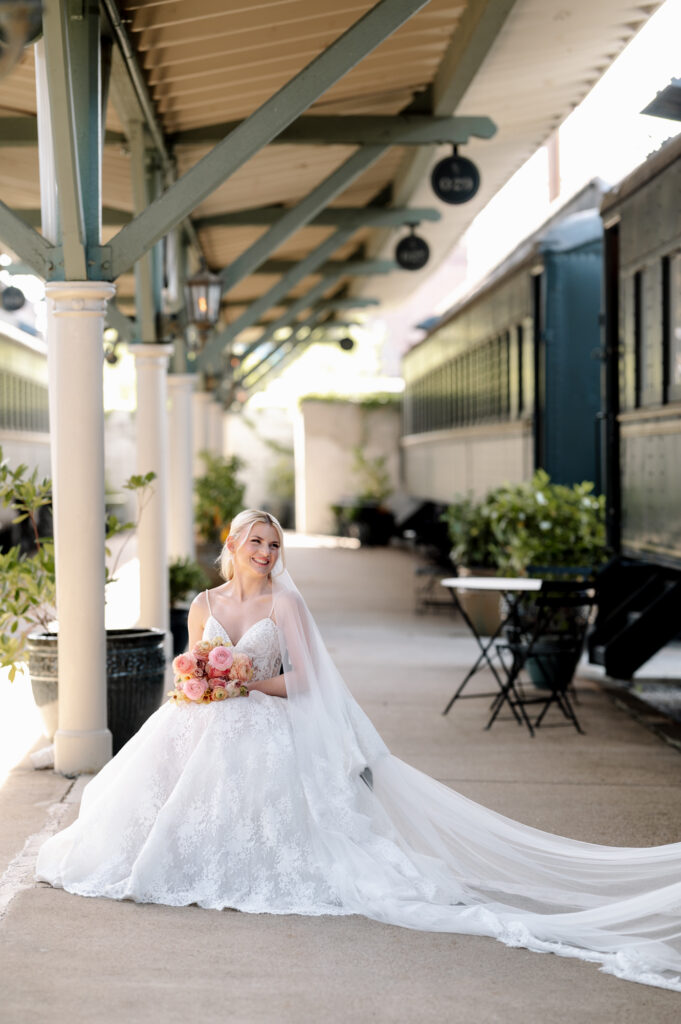
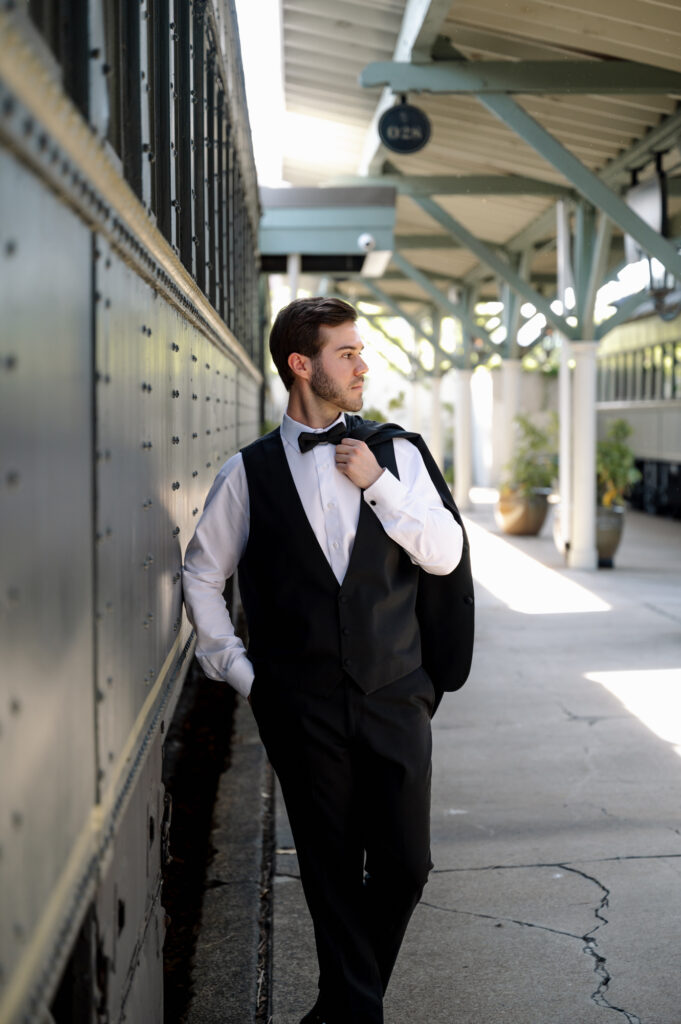
Your surroundings affect how you feel, and how you feel affects everything I capture. I always encourage couples to think about locations that are not only meaningful but also comfortable and workable for them physically.
When you are at ease in your environment, that ease becomes part of the story.
Let Go of What Wedding Photos “Should” Look Like
Some of the most elevated images I have ever created came from releasing the idea that there is only one correct way a wedding photograph should look.
When you let go of that, you open something. And what comes through is far more interesting, far more true, and far more lasting than anything a standard pose could produce.
Why This Work Matters Beyond the Wedding Day
I said at the beginning that this experience changed something in me, and I mean that sincerely.
It reminded me that my job is not to fit people into a vision. My job is to shape the experience around the people in front of me, so that they feel fully supported, fully comfortable, and fully themselves – and then to capture what is already there.
These images are not just for the wedding day. They are for the decades that follow. For the people who will hold them long after the day itself is only a memory. That kind of weight requires more than technical skill. It requires awareness, intention, and a genuine willingness to show up for each couple as they actually are.
When a couple feels truly seen, the photographs reflect that. Every time.
If You Are Planning Your Wedding and Reading This
Reach out. Tell me about your day, your story, and anything that would help me serve you with greater intention and care.
I am not looking to simply document a checklist of moments. I am looking for couples who want their day – all of it, exactly as it is – to be preserved with honesty and craftsmanship.
If that sounds like what you are looking for, I would love to connect.
You can find my work and reach out at www.kalibritton.com.
With gratitude, always.